Skip to content
New Containment Job Estimator — size & price a dike in 60 seconds
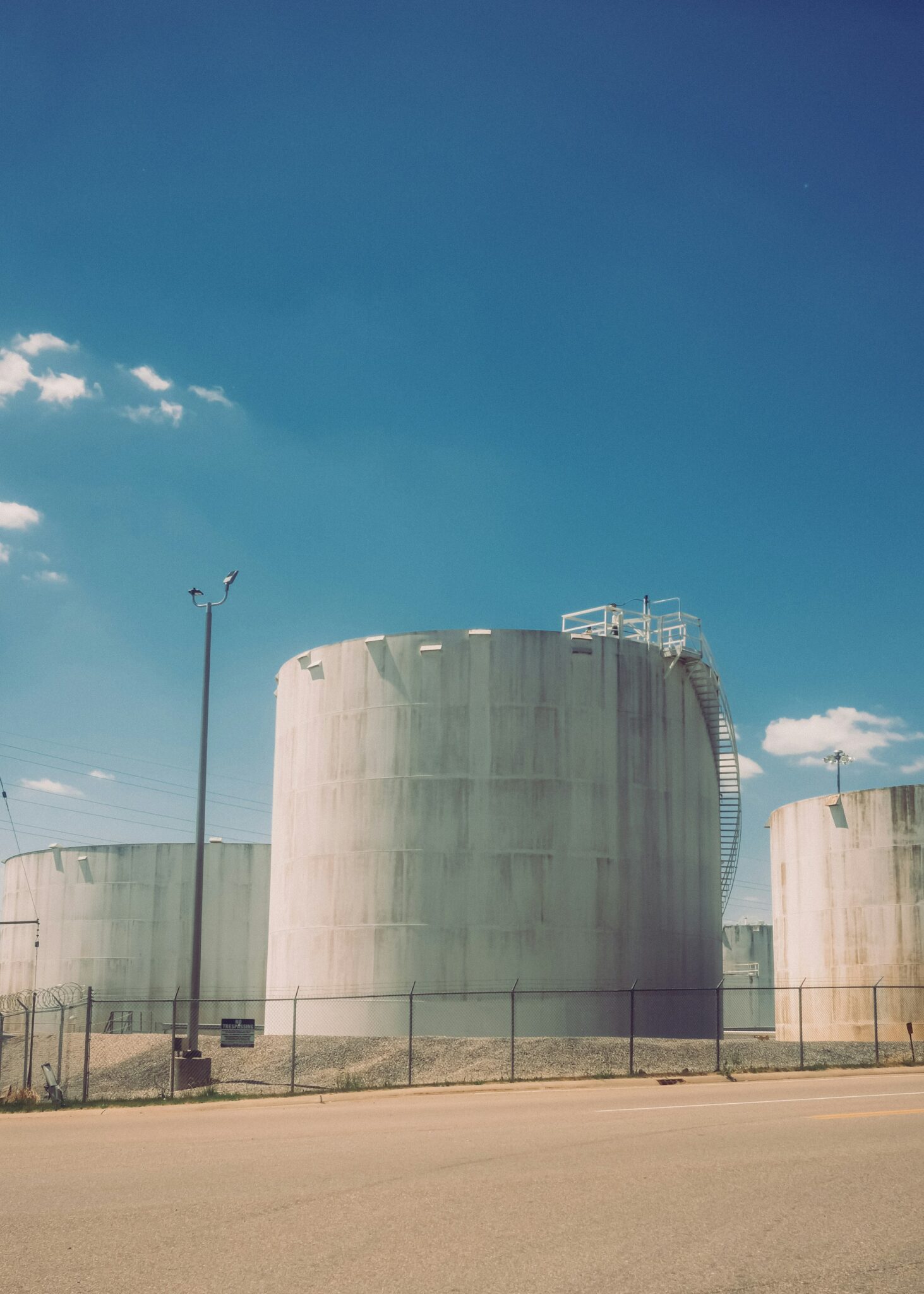
Large aboveground storage tank
Compliance basics

The rules that create containment work.

A plain-English overview of the federal requirements behind secondary containment — so you can speak your customers’ language.

Educational overview, not legal or engineering advice. Requirements vary by facility, product and state. Containment design should follow the facility’s SPCC Plan or permit, often certified by a licensed Professional Engineer.
EPA · 40 CFR PART 112

SPCC — Spill Prevention, Control & Countermeasure

The biggest driver of containment work. The SPCC rule applies to non-transportation facilities that could reasonably be expected to discharge oil to navigable waters or adjoining shorelines and that exceed storage thresholds.

Who’s coveredAggregate aboveground oil storage capacity over 1,320 U.S. gallons (counting containers of 55 gallons or more), or completely buried storage over 42,000 gallons.
Bulk storage containmentSized to hold the entire capacity of the largest single container plus sufficient freeboard for precipitation — and sufficiently impervious to contain oil.
Who certifies the planTypically a Professional Engineer; smaller “qualified facilities” may self-certify under specific conditions.
“Oil” includesPetroleum fuels and lubricants, plus animal fats and vegetable oils.
EPA · 40 CFR 264.193 / 265.193

RCRA hazardous-waste tank systems

Tanks that store or treat hazardous waste need secondary containment designed to prevent releases to soil, groundwater and surface water and to detect and collect any leak.

CapacityContain 100% of the capacity of the largest tank within the system, plus precipitation from a 25-year, 24-hour storm where exposed to rain.
ConditionFree of cracks or gaps and compatible with the waste stored.
Where polyurea fitsLining concrete vaults, dikes and pads to make them continuous and chemically compatible.
EPA · 40 CFR 264.175

Hazardous-waste container storage areas

Drum and container storage areas holding hazardous waste with free liquids need a containment system under and around the containers.

CapacityThe greater of 10% of the total volume of containers or 100% of the largest container.
BaseFree of cracks or gaps and sufficiently impervious to contain leaks and spills.
OSHA · NFPA · STATE & LOCAL

Fire codes and state programs

Flammable- and combustible-liquid storage is also addressed by OSHA’s flammable liquids standard (29 CFR 1910.106), NFPA 30 and local fire codes. Many states run their own tank and spill programs on top of the federal rules.

Why it matters to youInspections under any of these programs can flag cracked or porous containment — and send the facility looking for a qualified applicator.
For applicators

Speak compliance, win more bids.

You aren’t the engineer — but understanding the rules makes you the contractor engineers and facility managers want to call.

  • Ask for the SPCC Plan’s containment requirements before you quote.
  • Confirm chemical compatibility for every product stored.
  • Deliver thickness readings, test results and photos for their records.
  • Build relationships with the PEs and consultants who certify plans.
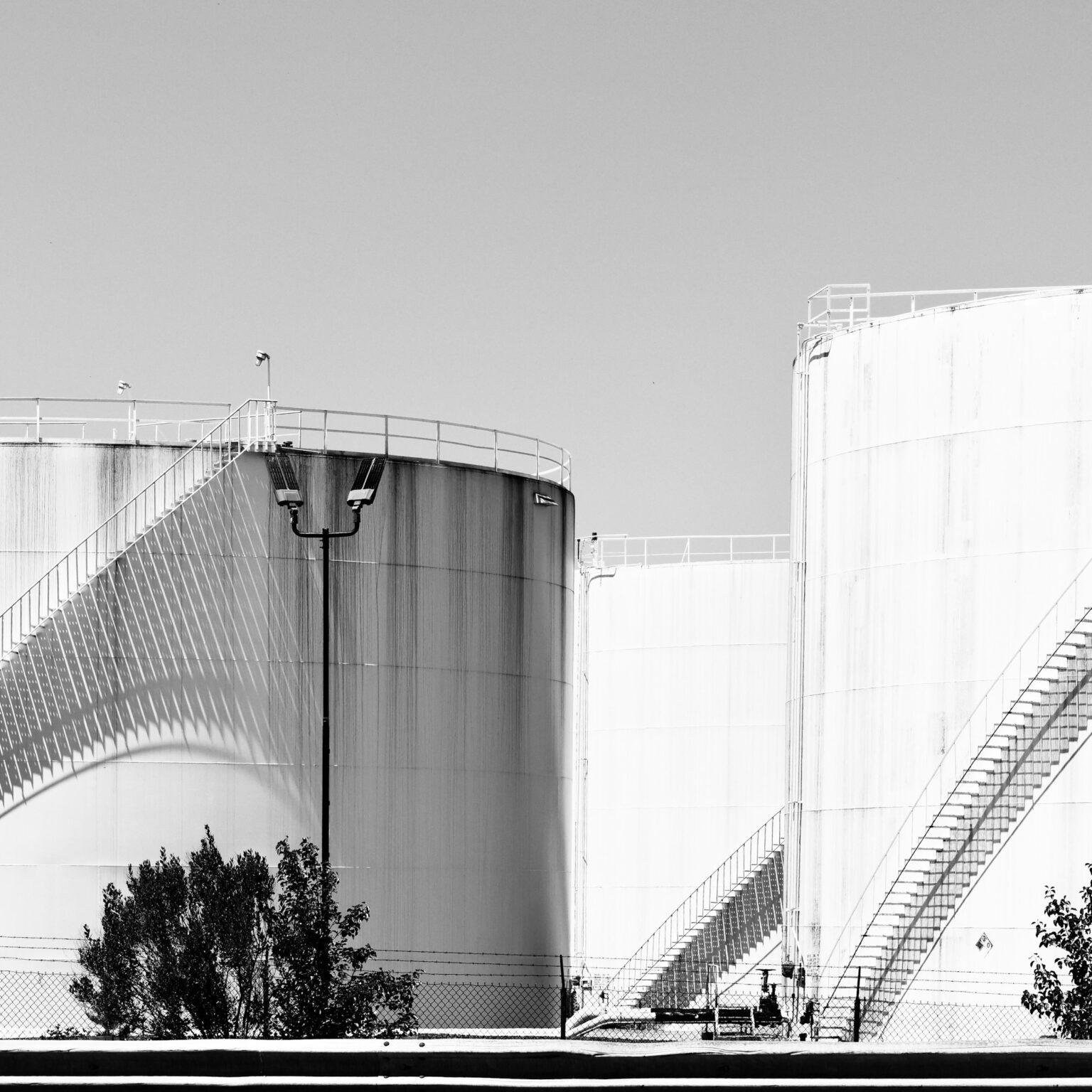
Industrial storage tanks
Facility owners

Inspection coming up?

Tell us about your containment and we’ll connect you with a trained applicator.

Future applicators

Build a business on it.

See how to start your own polyurea containment company.